Dirty Soda: From Soft Drink to Experience
Consumer beverages are becoming more experiential, indulgent and personalised and one trend increasingly capturing this shift is dirty soda.
What is dirty soda?
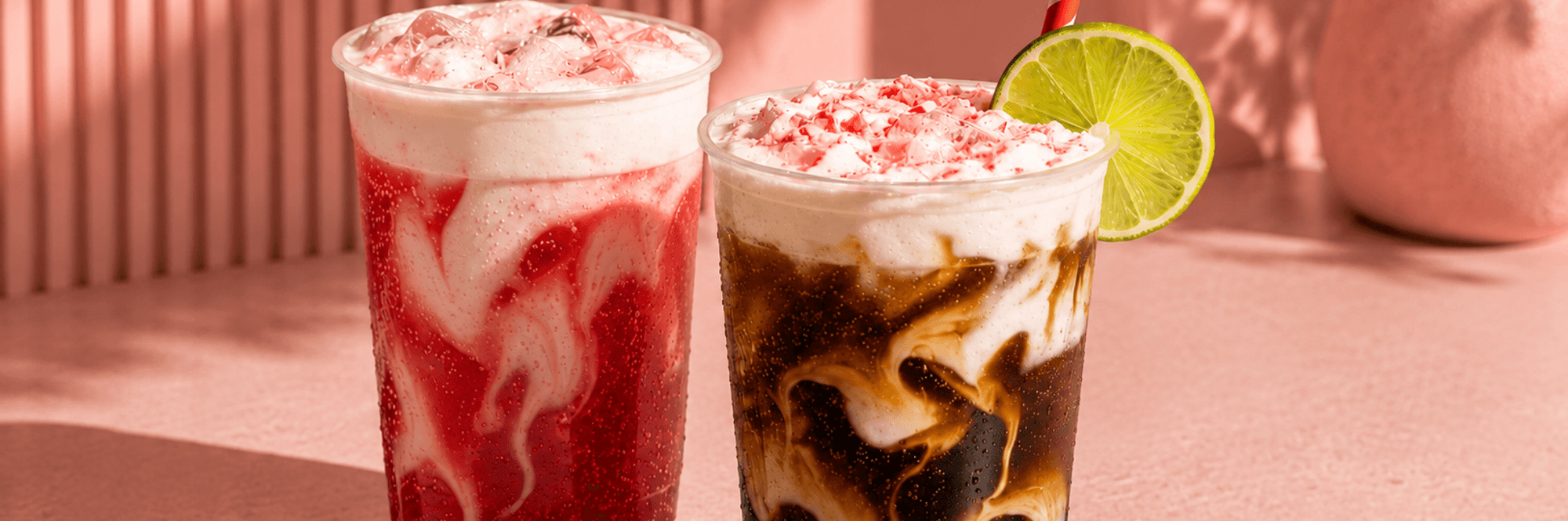
Originally emerging in the US speciality soda market, dirty soda combines carbonated soft drinks with flavour syrups, creams, cold foams and textured inclusions to create highly customisable beverages designed for indulgence and social sharing. What began as a niche social media trend is now evolving into a broader platform for flavour layering and multisensory beverage experiences.
Driven particularly by younger consumers, the trend reflects several converging demands around indulgence, nostalgia, customisation and visual engagement.
From refreshment to experience
Dirty soda is changing the role of soft drinks. Rather than serving purely as refreshment, beverages are increasingly being positioned as personalised experiences.
Typical dirty soda serves combine a carbonated base such as cola, lemon-lime soda or cream soda with flavour additions including vanilla, cherry, coconut, citrus or coffee. These are then layered with texture-led elements such as cold foams, creams, pearls, crisps and garnishes to create beverages that feel indulgent, customised and highly shareable.
The trend aligns closely with wider growth in experiential food and beverage occasions, particularly among Gen Z and younger millennial consumers.
Why consumers are engaging
Dirty soda resonates because it taps into several major consumer drivers simultaneously.
Personalisation remains central to the trend. According to UK consumer research 74% of UK under-35 carbonated soft drink consumers are interested in customising beverages with added ingredients such as fruit or herbs.
At the same time, indulgence continues to play a major role in beverage innovation. Dessert-inspired flavours, creamy profiles and nostalgic combinations increasingly blur the lines between beverages and sweet treats.
Texture is also becoming increasingly important within beverage experiences, with more than half of UK consumers surveyed agreeing that texture is now as important as flavour in soft drinks.
This creates opportunities for brands to explore layered mouthfeel experiences through foams, chewy inclusions, pearls, crisps and cream layers that transform beverages into more immersive consumption occasions.
Key flavour directions emerging
Dirty soda is also opening the door to more experimental flavour combinations across beverages.
Several flavour territories are becoming particularly visible. Nostalgic creamy profiles such as cream soda, orange cream and vanilla cola continue to perform strongly, while dessert-inspired directions including cheesecake, brownie and cookie flavours are helping beverages feel more indulgent and treat-oriented.
At the same time, brands are experimenting with more disruptive combinations including sweet-and-spicy profiles, sour twists and unexpected flavour pairings designed to generate social buzz.
Coffee and more adult-inspired flavour combinations are also emerging through concepts such as espresso cola, coffee soda and dark cherry profiles.
Limited editions and unexpected combinations are helping brands drive stronger engagement, particularly online where visual presentation and novelty continue to influence consumer discovery.
Texture becomes a differentiator
One of the most commercially interesting aspects of the dirty soda trend is the growing importance of texture within beverages.
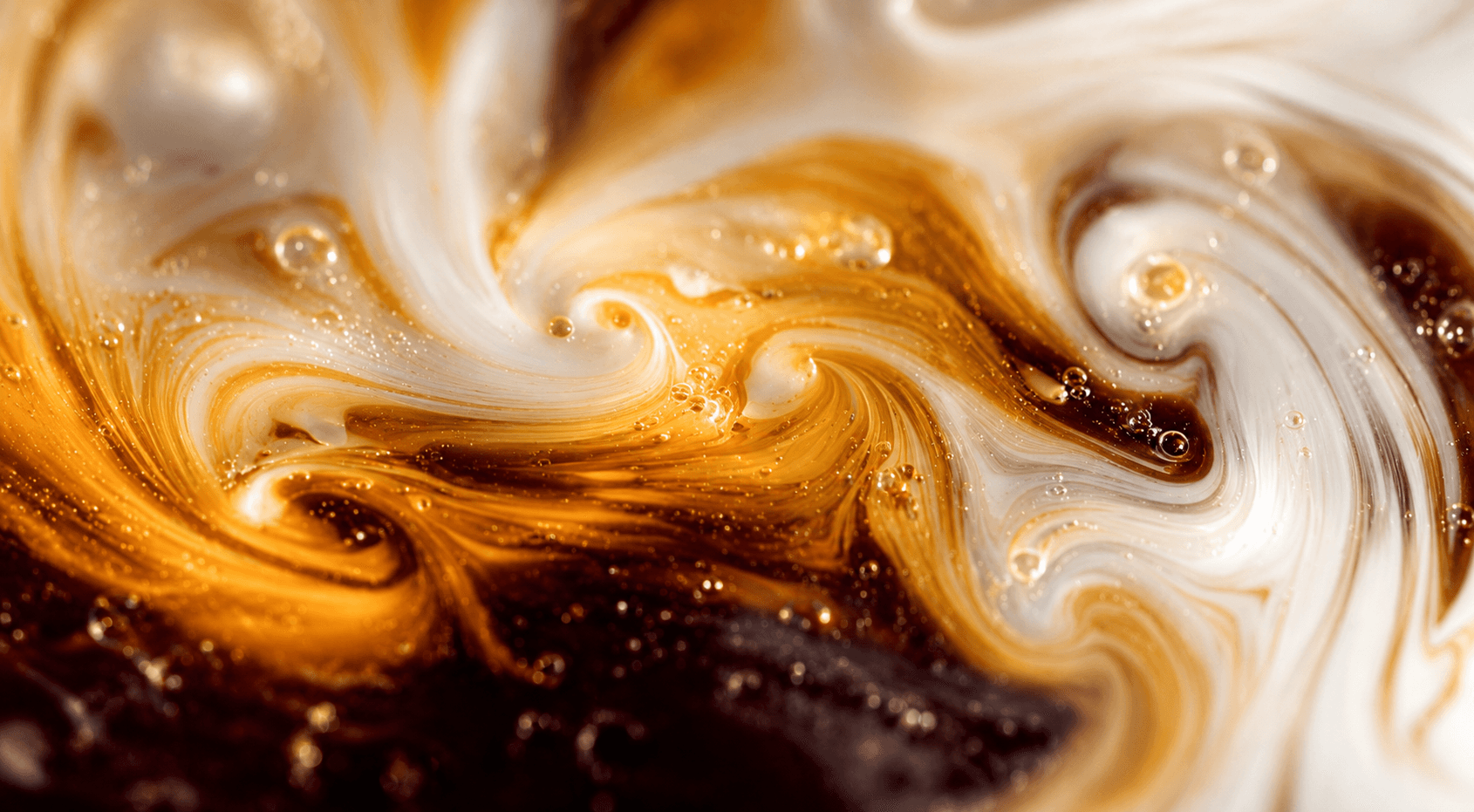
Texture is increasingly functioning not only as a sensory differentiator, but also as a source of visual appeal, playfulness and interaction. Layered beverage experiences using foams, chewy textures, inclusions and crunch elements are helping transform drinks into more immersive and memorable consumption occasions.
For manufacturers and brands, combining flavour with texture creates opportunities to deliver stronger multisensory experiences and more premium positioning.
Commercial opportunity areas
The dirty soda trend highlights broader commercial opportunities across categories.
Potential areas include QSR beverage platforms, customisable menu systems, at-home dirty soda kits, flavour concentrates and functional indulgence concepts incorporating reduced sugar or prebiotic positioning.
The trend also lends itself strongly to seasonal launches, limited editions and alcohol-alternative serves designed for social occasions.
Importantly, the highly visual nature of dirty soda makes it particularly suited to social media engagement and digitally driven product discovery.
Beyond beverages
Dirty soda flavour inspiration is already beginning to influence adjacent categories beyond beverages.
The combination of indulgent layering, nostalgic flavours and playful customisation translates naturally into chocolate, bakery, donuts, cookies, ice cream, desserts and seasonal confectionery launches.
Emerging concept directions include Cherry Cola Brownie, Lemon Lime Vanilla, Espresso Cola, Strawberry Cream Soda, Mango Chili Soda and Coconut Passionfruit Cream.
These flavour combinations create opportunities for brands to bring beverage-inspired indulgence into multiple product categories while capitalising on familiarity, nostalgia and sensory novelty.
Looking ahead
Dirty soda reflects a wider shift taking place across food and beverage innovation. Consumers increasingly want products that deliver flavour layering, texture contrast, visual excitement, indulgence and personalisation within a single experience.
As brands continue exploring new ways to create more experiential consumption occasions, flavour layering and texture-driven concepts are likely to become increasingly important across beverages, bakery, confectionery and desserts.
Latest Insights

Get to Know OV: From Idea to Ingredient
Sweet Bakery Flavour Trends to Watch for 2027: familiarity is the foundation for innovation