
Asian-Inspired Flavours: From Consumer Curiosity to Commercial Opportunity
Asian influence in sweet food and drink is entering a new phase.
Matcha helped familiarise consumers with tea-led flavours and vivid colours, while mochi introduced a distinctive chewy texture. Now, attention is expanding towards yuzu, pandan, hojicha, sudachi, black sesame, jasmine and ube.
For NPD and category teams, this opens a broader development space built around citrus freshness, roasted depth, aromatic notes, balanced sweetness and contrasting textures.
The commercial challenge is deciding how far to push discovery without losing familiarity.
One influence, different market opportunities
France offers one of Europe’s clearest signals. Online discussions about Asian sweet flavours and formats, including yuzu, matcha, hojicha, pandan and mochi, increased by 161% between 2025 and 2026. Interest is also widening to formats such as dorayaki, taiyaki and mille-crêpe.
However, rising conversation does not necessarily indicate mass-market demand. Retail penetration of these flavours remains relatively low in French sweet categories.
The opportunity is therefore less about assuming that every Asian-inspired flavour is ready for the mainstream and more about identifying which elements can add relevant differentiation to an established product.
Further Mintel research supports this route. 46% of French consumers find sweet biscuits featuring world flavours appealing, while 72% of French cake buyers prefer specialist-shop offerings. This suggests potential to translate the flavour detail, layering and visual presentation associated with patisserie into scalable retail products.
One European launch highlighted by Mintel combines the familiar format of French macarons with Japanese-inspired flavours including jasmine, matcha and yuzu. The concept delivers discovery without asking consumers to navigate an entirely unfamiliar product.
North America: younger consumers lead exploration
In the US, younger consumers appear particularly receptive to global influences. 33% of Gen Z sweet-bakery consumers say an unfamiliar flavour would encourage them to try a product, compared with 27% overall.
Stated interest among US Gen Z reaches 63% for black sesame and matcha, 55% for yuzu and ube, and 52% for pandan. Visual impact can support trial too: 22% of Gen Z and 23% of Millennials say colour has encouraged them to buy a new dessert or confectionery flavour.
But familiarity still influences purchasing. While 30% of US in-store bakery shoppers are interested in international bakery products, 71% of Canadian consumers generally remain with their preferred sweet baked goods brands.
This makes the combination of a new flavour and a familiar format particularly relevant. Examples such as ube cheesecake empanadas and ideas including matcha Swiss rolls or matcha-misu use recognisable products to encourage trial.
Where could these influences take product development?
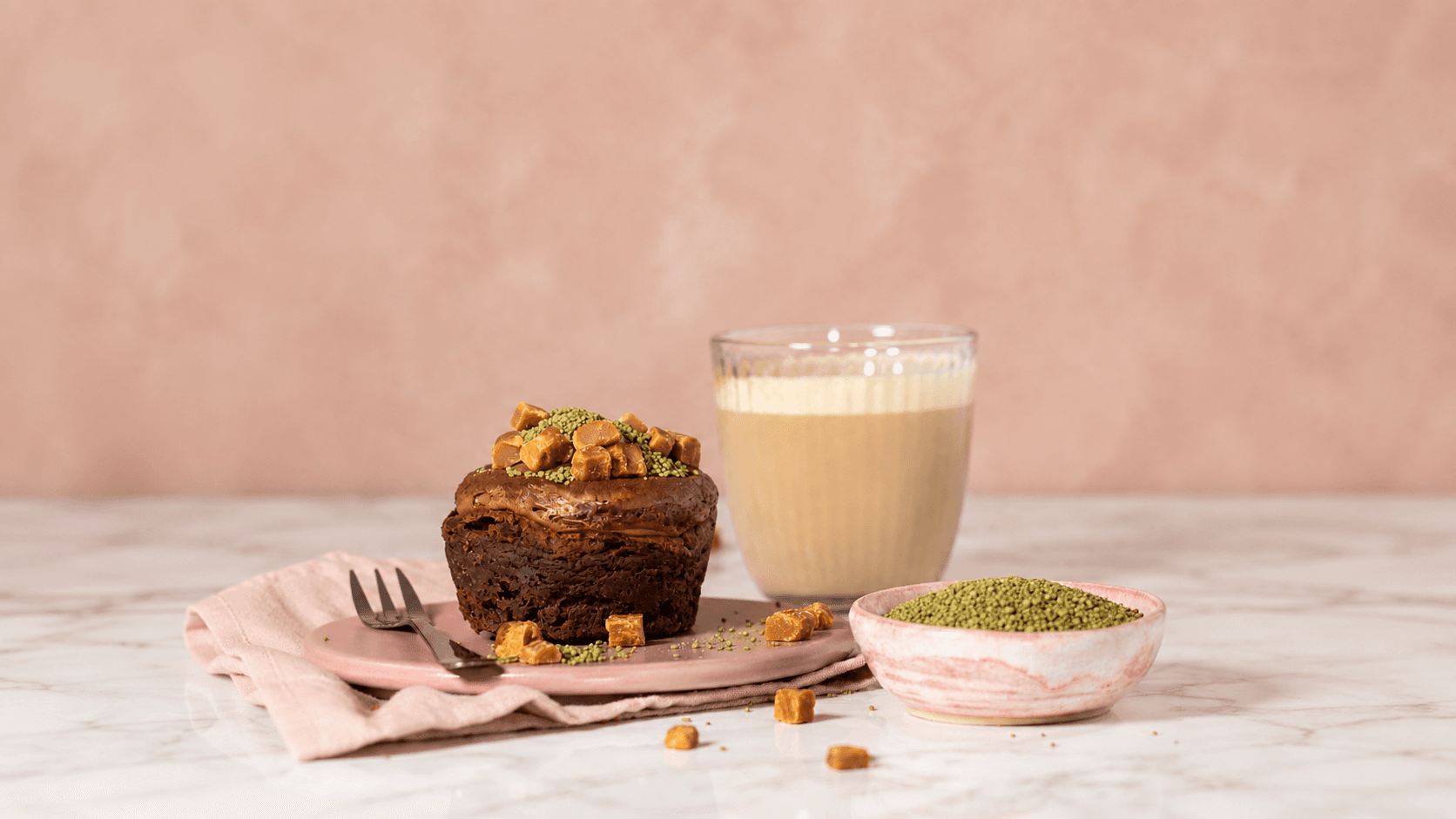
The opportunity extends across multiple application areas:
- Bakery: yuzu and sudachi can bring citrus contrast to cakes and pastries, while matcha, pandan or hojicha could add a distinctive identity to rolls, cookies and layered bakes.
- Desserts and ice cream: aromatic, tea-led or roasted notes can refresh familiar formats such as cheesecake, gelato and layered desserts.
- Chocolate: yuzu can cut through richness, while black sesame or hojicha can introduce greater depth and complexity.
- Confectionery: Asian-inspired flavours can be combined with familiar caramel, biscuit, nut or chocolate profiles.
- Beverages: yuzu, matcha, jasmine and hojicha can provide fun twists when used in toppings, syrups and decorations.
These are opportunities to be explored, not ready-made formulas. Each concept must be assessed against the intended consumer, price point, production process and required shelf life.
Look beyond flavour alone
Some of the strongest opportunities may come from interpreting the wider sensory qualities associated with Asian desserts.
Mochi has demonstrated the appeal of chew. Black sesame can bring colour as well as roasted flavour. Yuzu provides acidity and freshness, while pandan offers both aroma and visual identity. Crisp, crunchy or soft inclusions can add further contrast.
This gives product developers several ways to build newness. If the flavour is unfamiliar, the format can remain recognisable. If the base flavour is established, texture or decoration can deliver the point of difference.
Visual appeal can encourage initial interest, particularly among younger consumers, but repeat purchase will depend on whether the complete eating experience works. Colour, flavour and texture need to feel connected rather than added simply for social-media impact.
A more nuanced form of indulgence
Asian sweet traditions can also inspire products that feel indulgent without relying exclusively on intense sweetness.
Yuzu can balance rich chocolate or caramel-style profiles. Hojicha introduces roasted notes, while jasmine can bring aromatic freshness. Pandan may become more accessible when paired with familiar flavours such as coconut, vanilla or caramel.
Mintel identifies an opportunity in France for desserts shaped by subtle sweetness, tea-led flavours and aromatics. This is not automatically a nutritional or “better-for-you” proposition. It is a different expression of indulgence, using contrast and complexity to create interest.
From inspiration to commercial reality
Asian-inspired flavours are likely to evolve differently by market and category. The strongest approach will begin with a clearly defined consumer and occasion not with a flavour selected only because it is attracting attention.
NPD teams will need to consider sensory balance and application performance. Category and marketing teams must judge whether the concept is understandable and relevant. Procurement, technical and operations teams will need confidence that it can be sourced, produced and scaled consistently.
OV brings together expertise across sweet ingredients, inclusions, toppings and decorations. Working collaboratively with customers, we can explore how trends might translate into concepts that consider sensory appeal, technical performance, scalability and commercial fit.
Planning your next bakery, dessert, ice cream, chocolate, confectionery or beverage development? Talk to OV about what’s possible.
Latest Insights

Caramel is more than a flavour: finding the right texture for your application
Cake Décor and Crayola Bring Creativity to the Kitchen with Two New Baking Kits