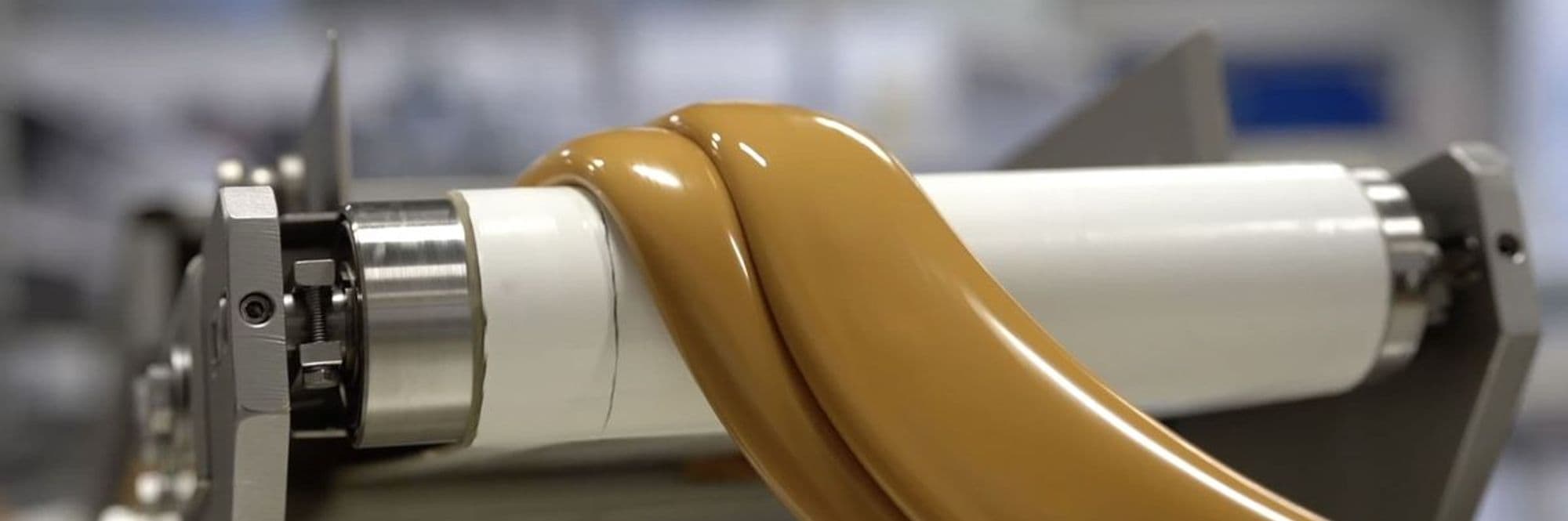
Caramel is more than a flavour: finding the right texture for your application
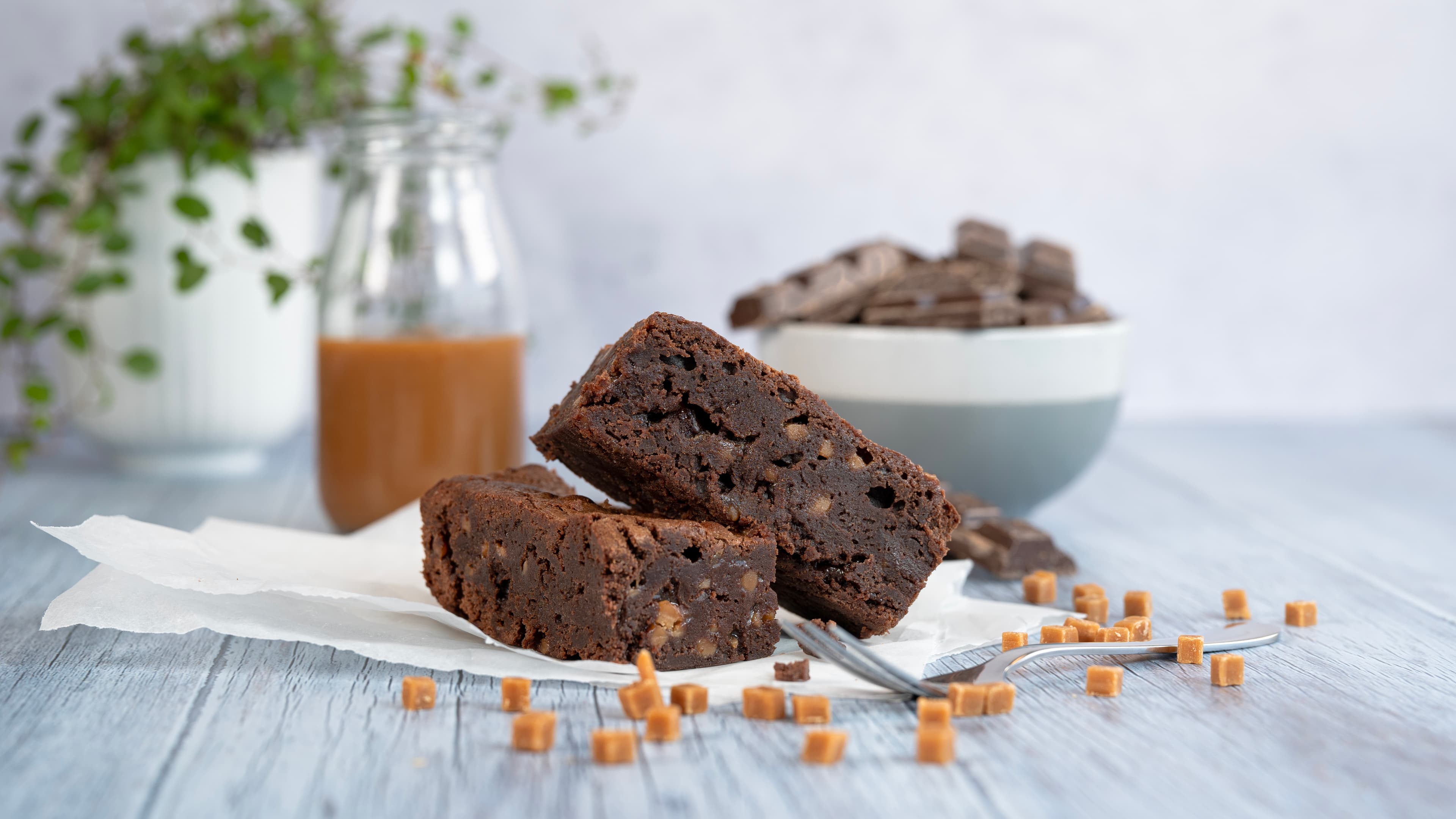
Start with the eating experience
What should happen when someone takes a bite?
A soft caramel piece can add a chewy contrast to a cookie. A small, hard caramel piece can bring a distinct crunch to chocolate. Honeycomb offers a lighter, aerated bite, while caramelised nuts combine roasted flavour with texture.
These differences come from the recipe and process. Sugar ratios, cooking conditions, dairy and fat choices, aeration, and cooling all influence the finished piece. Even within one product family, changing the formulation can produce a different result in the final application.
Formulate for the process, not just the sample
An inclusion that tastes right on its own may behave differently once it is baked, frozen or surrounded by chocolate.
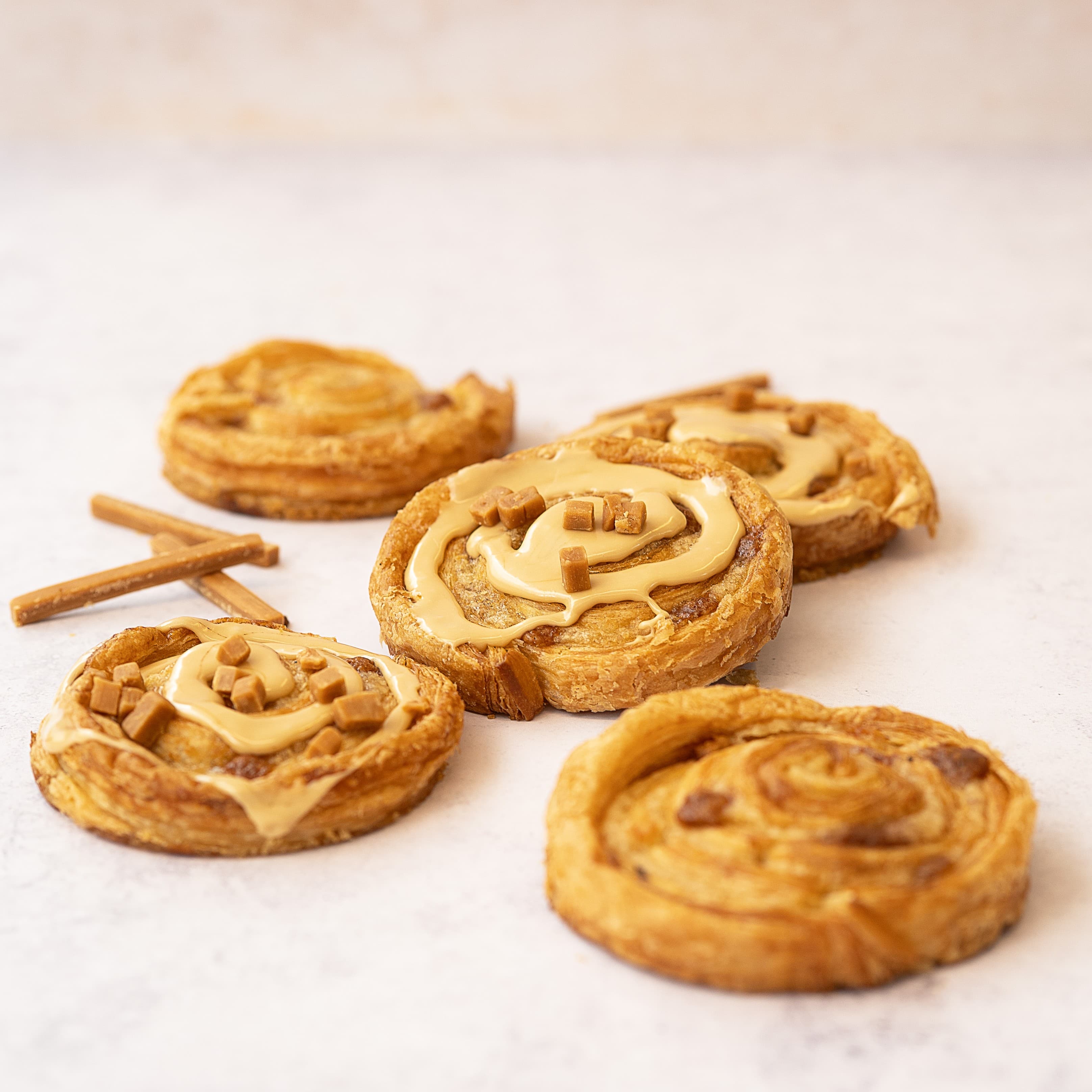
For bakery, we first look at where the piece will be used. An inclusion mixed into cookie dough faces different conditions from one added after baking. Heat can cause a soft piece to melt or lose definition, so the product, baking temperature, time and mixing conditions all shape the choice.
For ice cream and frozen desserts, the question is both texture and stability. Cold temperatures can make some fats feel too firm, while moisture can soften an unprotected crunchy inclusion over time. The right solution depends on whether the goal is a soft bite, a lasting crunch or some caramel melt into the surrounding product. A barrier coating may help protect a crunchy centre.
For chocolate, moisture movement between a soft inclusion and the chocolate needs to be considered. The caramel recipe, any pre-coating and the expected shelf life can all affect how the finished product performs.
The best starting point is therefore the finished product: how it is made, stored and eaten, and which sensory effect the caramel needs to deliver.
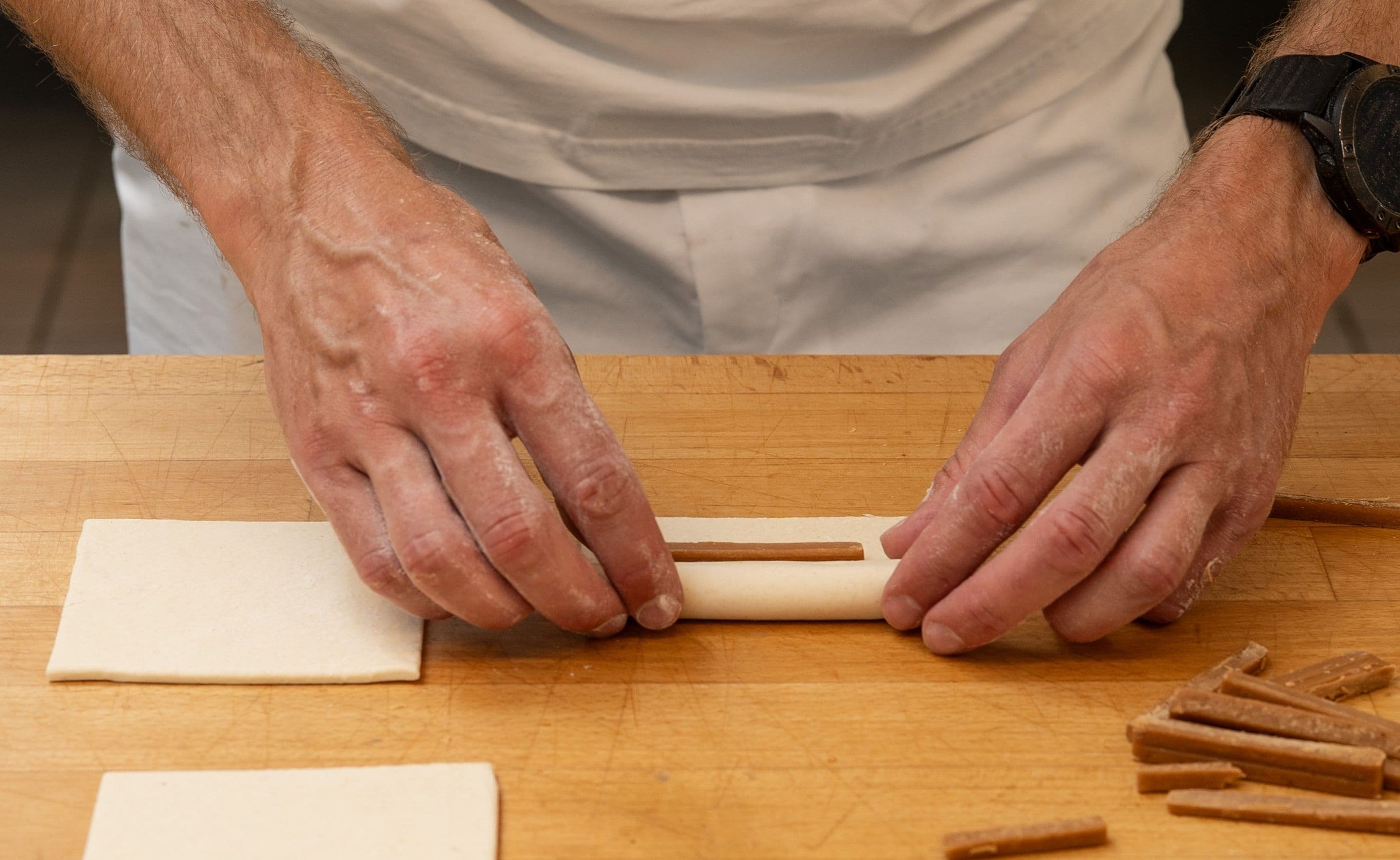
Build flavour and texture together
Caramel offers plenty of room to create contrast. A rich chocolate product might benefit from a lighter honeycomb crunch. A crisp biscuit can be balanced with a soft piece. A smooth frozen dessert can gain definition from a coated caramel inclusion.
Flavour can be just as varied. Buttery caramel and salted notes sit alongside darker butterscotch profiles, while chocolate, spices, nuts and fruit flavours create further options. Piece size, shape and coating then help determine how prominently the inclusion appears and how it performs in each bite.
With capabilities across soft, hard, aerated and caramelised products, OV can help customers work from a product idea towards an inclusion that suits the application.
Working on a caramel concept? Share the product format, processing conditions and texture you want to achieve with our team. You can also explore our capabilities here.
Frequently Asked Questions
Is fudge the same as soft caramel?
In OV’s product terminology, fudge is the UK name and soft caramel is the corresponding US name for this product family. The exact texture and performance still depend on the individual recipe.
Can caramel pieces be baked into cookies, cakes or muffins?
Yes, provided the inclusion is selected for the process. A piece mixed into dough needs to withstand different conditions from a topping added after baking. We would look at the product type, mixing, baking temperature and time, and how much melt or shape retention is desired.
Will a crunchy caramel inclusion stay crunchy in ice cream?
It depends on the formulation, whether the piece is coated and the intended shelf life. Moisture can soften a crunchy inclusion over time. Where a lasting crunch is important, a barrier coating may be appropriate.
Why can soft caramel become too firm in ice cream?
The fats in a recipe behave differently at frozen temperatures. A piece developed for an ambient product may have a firmer bite when frozen, so the formulation should be chosen for the temperature at which it will be eaten.
Can soft caramel be used inside a chocolate bar?
Yes, but moisture movement between the caramel and chocolate must be considered. The recipe and any pre-coating should be assessed against the bar’s production process and intended shelf life.
What is the difference between honeycomb and toffeecomb?
Both have an aerated, crunchy structure. Honeycomb has a lighter cooked sugar character, while OV Toffeecomb combines the aerated bite with a richer toffee flavour.
What should we include in a development brief?
Tell us the finished product, where the inclusion will sit, processing temperatures and times, desired piece size, target bite, storage conditions and intended shelf life. It also helps to describe the sensory result you want, such as a soft chew, a clean crunch or a gradual caramel melt.
Latest Insights
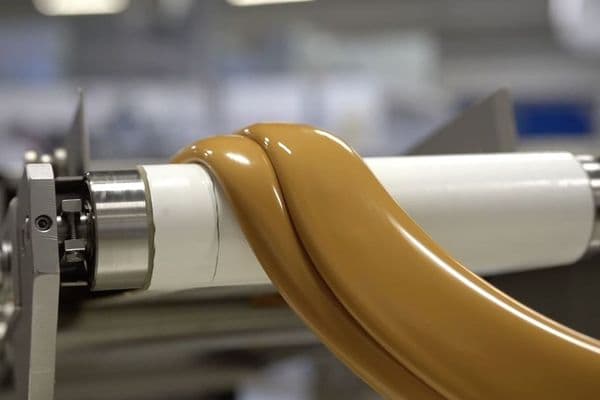
Caramel is more than a flavour: finding the right texture for your application
Cake Décor and Crayola Bring Creativity to the Kitchen with Two New Baking Kits