Caramel: The Strategic Role of Familiar Flavours in Product Innovation
Innovation is Moving Beyond Flavour
Caramel remains one of the most versatile ingredients across Europe's sweet categories because it combines familiarity with flexibility. In the UK desserts market, caramel and caramelised flavours accounted for 7% of launches in both 2022 and January-November 2023, while salted caramel increased from 6% to 8% over the same period (Mintel Global New Products Database, 2024).
These figures suggest caramel has evolved beyond being simply a flavour choice. It has become a platform for creating products with more engaging textures, formats and food experiences.
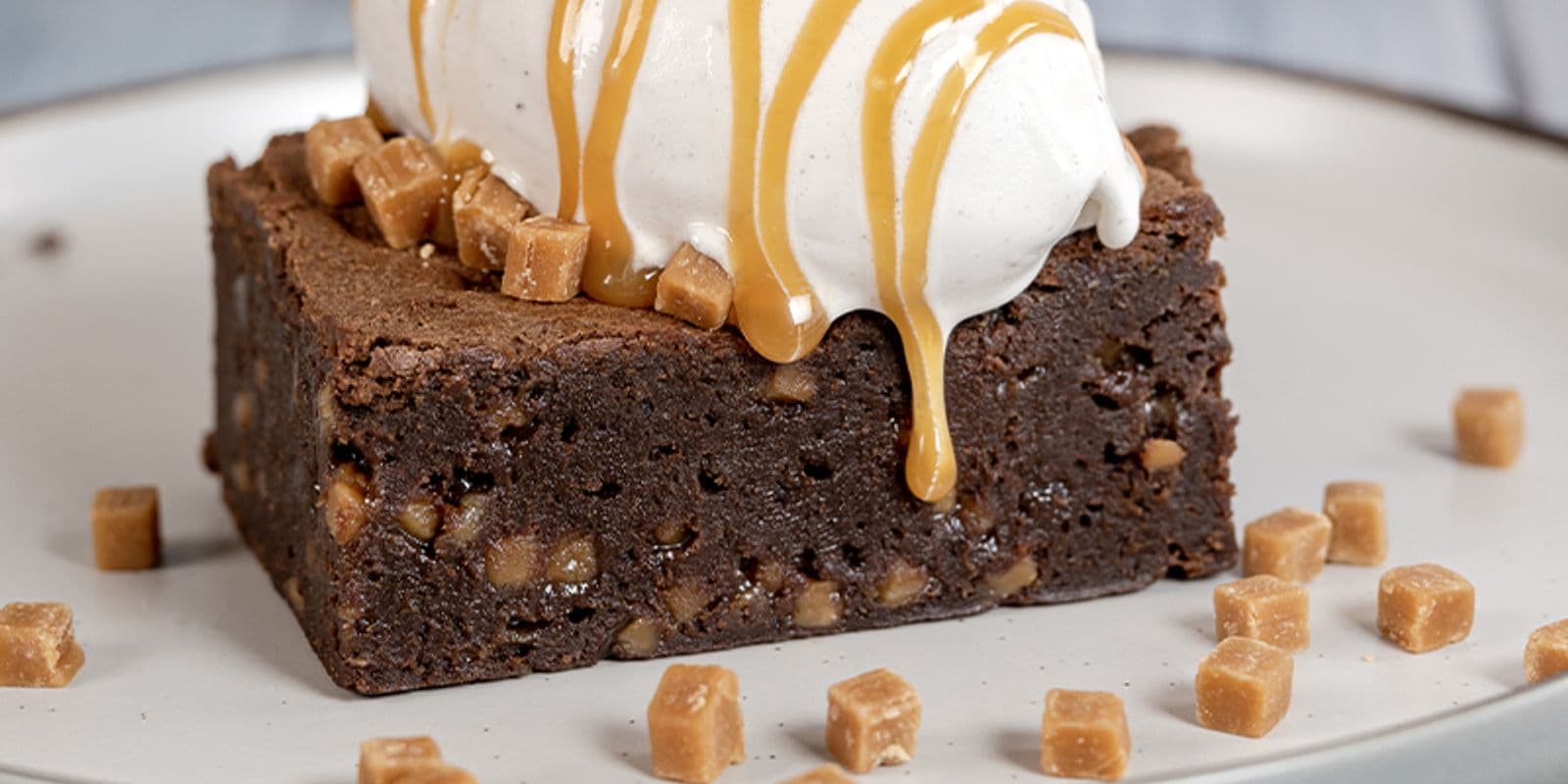
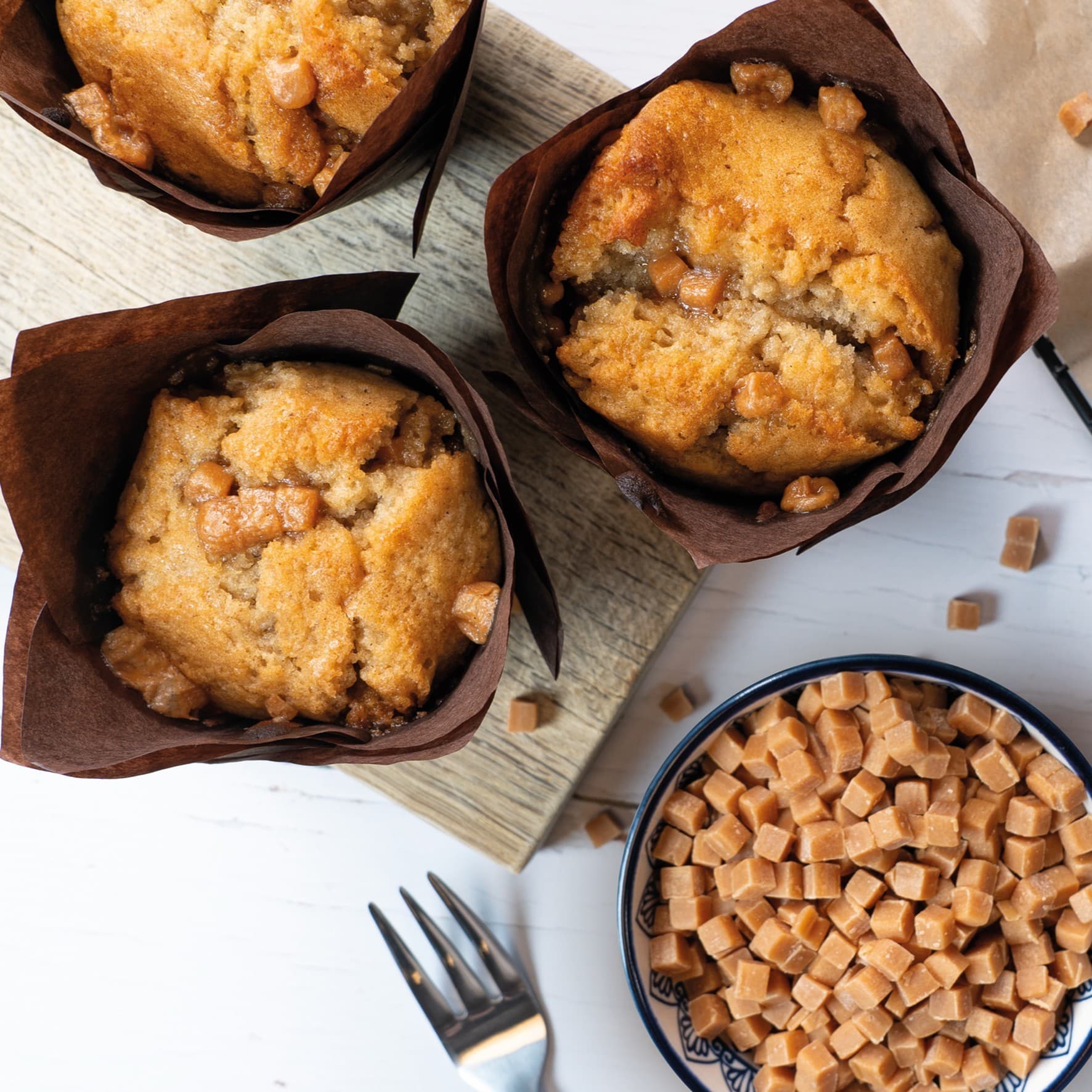
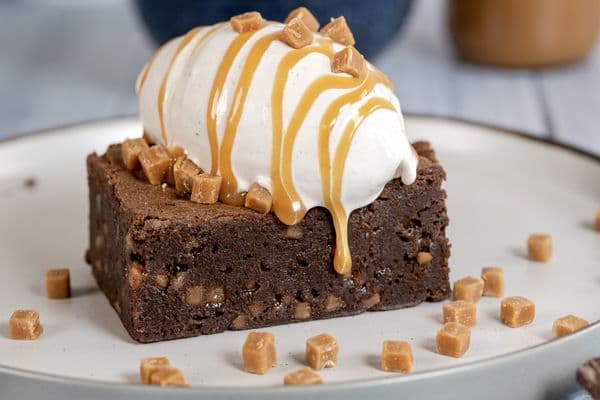
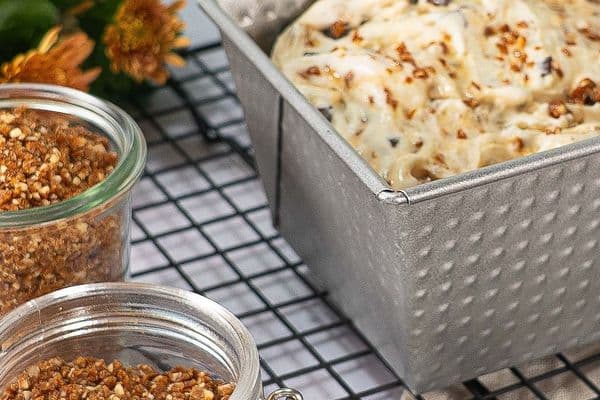
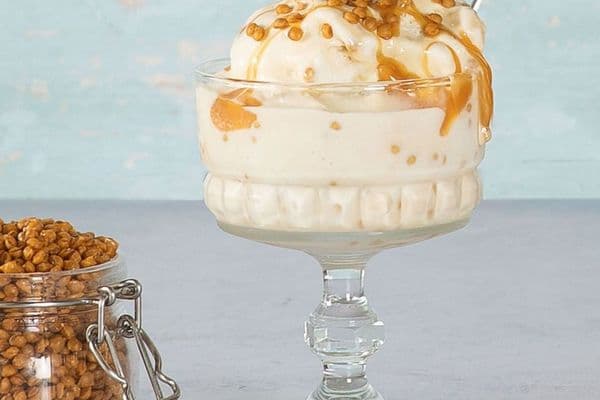
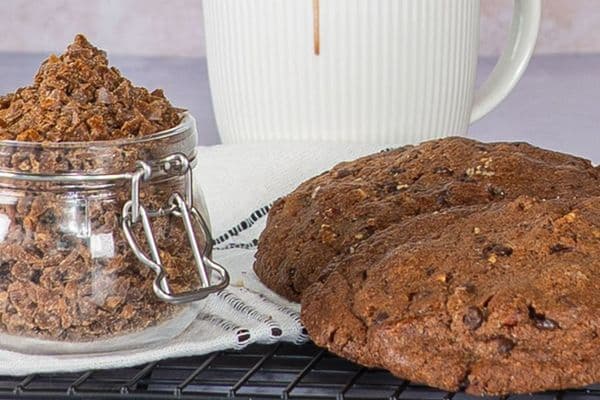
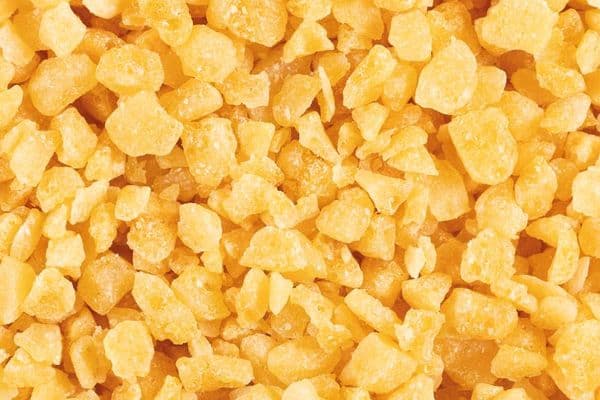
More recently, across Europe, manufacturers are combining caramel with popcorn, chocolate, biscuit pieces, roasted nuts, ripples and layered fillings to create products built around multiple textures rather than a single flavour note. Whether in bakery, confectionery or ice cream, the focus is increasingly on how caramel is delivered through sauces, chunks, coatings and inclusions.
For ingredient suppliers, this shifts the challenge from supplying a flavour to delivering ingredients that achieve the right texture, appearance and processing performance within the finished product.
Consumers Want More Than Familiar Flavours
Mintel consumer research shows that 37.9% of UK consumers purchasing ice cream treats are encouraged by generous amounts of indulgent ingredients such as chocolate or caramel, while 31.6% are attracted by products offering multiple textures. In Germany, 35% of consumers want generous fillings or toppings when choosing sweet baked goods, and 17% of Gen Z consumers actively seek unusual textures. The research also shows that caramel remains the UK's most appealing chocolate filling, preferred by 53.8% of consumers.
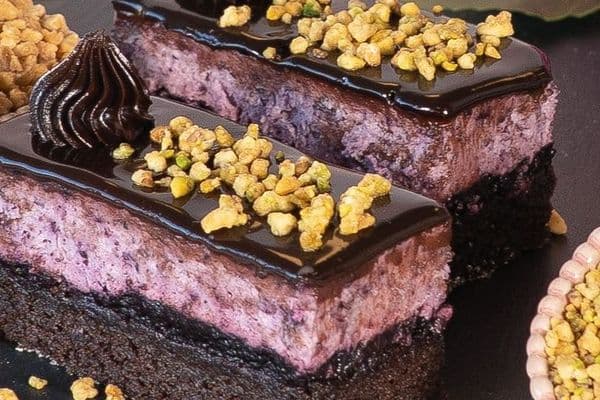
These findings show consumers are seeking products that feel generous, layered and visually indulgent. Visible caramel ripples, chunky inclusions and contrasting textures reinforce quality before the first bite, allowing manufacturers to create premium experiences without relying on entirely new flavours.
As a result, inclusion size, visibility and distribution are becoming just as important as flavour selection.
Familiar Flavours Reduce Risk While Ingredients Create Differentiation
Caramel's enduring popularity offers important commercial advantages. While novel flavours can generate interest, they also carry greater risk. Familiar flavours encourage trial because consumers already understand and enjoy them, allowing manufacturers to differentiate through texture and format rather than introducing unfamiliar taste profiles.
Manufacturers are increasingly innovating through the format of caramel, whether as centres, ripples, sauces, coated pieces or inclusions, rather than through the flavour itself. This enables multiple products to be developed from a familiar flavour base while delivering distinctly different eating experiences.
As products become more sophisticated, ingredient performance also becomes more critical. Caramel inclusions, sauces and fudge pieces must withstand baking, freezing, storage and distribution while maintaining their intended texture and appearance.
Consumers may never notice these technical challenges directly, but they immediately experience the results. Texture, stability and inclusion distribution determine whether a product delivers the indulgence promised on pack. This makes early collaboration between manufacturers and ingredient specialists increasingly important.
Cross-Category Innovation Is Creating New Opportunities
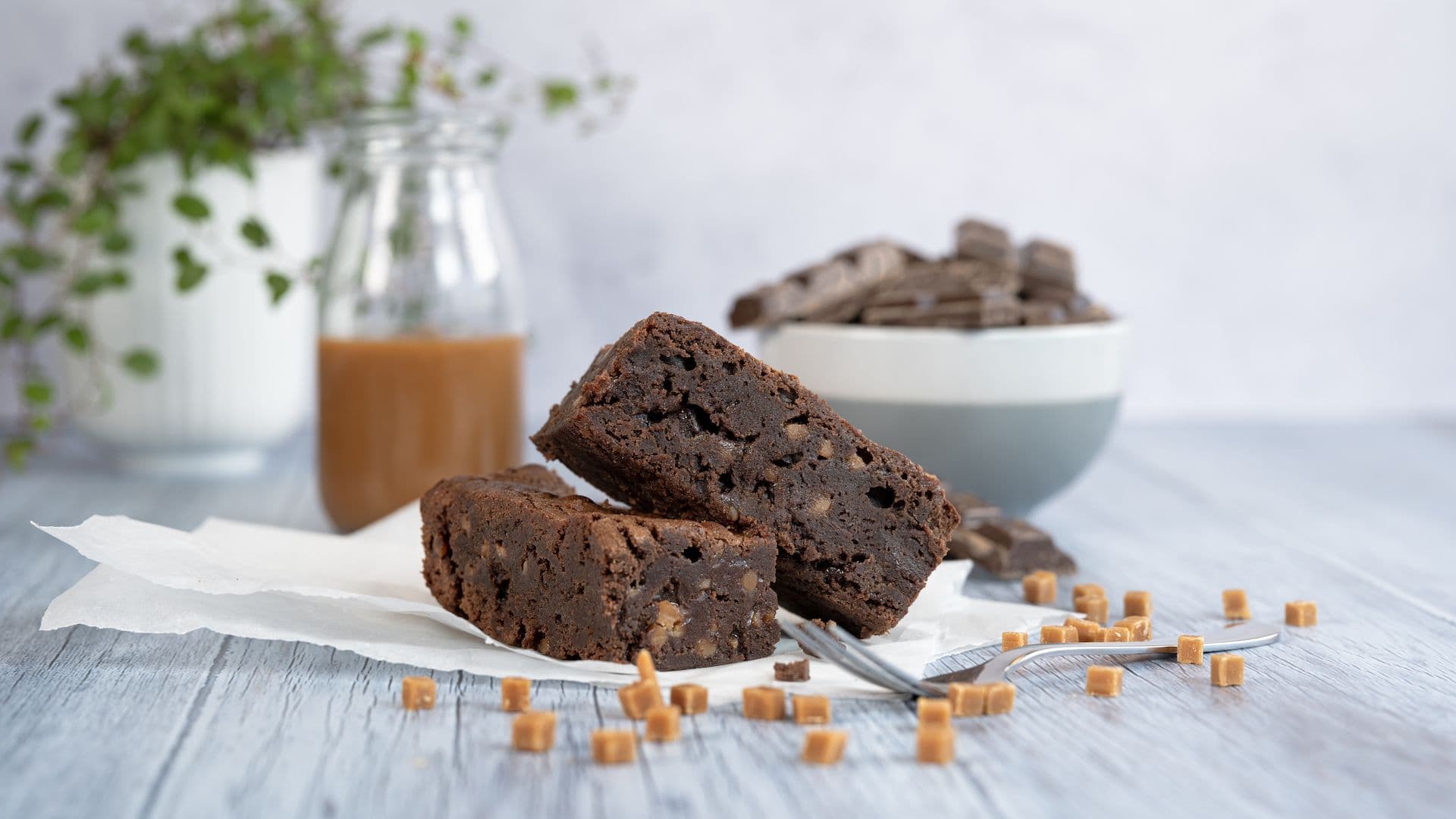
Caramel's continued success is also being driven by the movement of ideas between categories. Bakery is borrowing cues from premium confectionery, while ice cream increasingly recreates the indulgence of loaded desserts through textured inclusions, layered sauces and confectionery-inspired pieces.
Plant-based innovation presents further opportunities. As manufacturers seek to recreate the richness traditionally associated with dairy, carefully selected caramel products, fudge inclusions and textured components can help rebuild creaminess, flavour balance and bite.
Across every category, ingredients must now perform in three ways:
- Sensory performance – delivering flavour, texture and contrast.
- Technical performance – maintaining consistency throughout processing and shelf life.
- Visual performance – creating products that look generous, premium and appealing.
The strongest product concepts successfully combine all three.
The Next Phase of Caramel Innovation
Future innovation is unlikely to come from entirely new caramel flavours. Instead, growth will be driven by new formats, textures, pairings and applications, alongside developments in plant-based products, allergen-friendly formulations, portion-controlled indulgence and palm oil reduction.
Cost pressures will continue to challenge manufacturers. Reducing inclusion levels may lower formulation costs, but it can also weaken perceptions of indulgence and quality. Likewise, larger or more irregular inclusions can introduce new manufacturing complexities.
The most successful products will be those where inclusions are considered part of the formulation strategy from the outset, rather than being added at the end of product development.
Familiar Ingredients Continue to Inspire Great Products
Caramel's enduring success demonstrates that a flavour does not need rapid growth to remain commercially important.
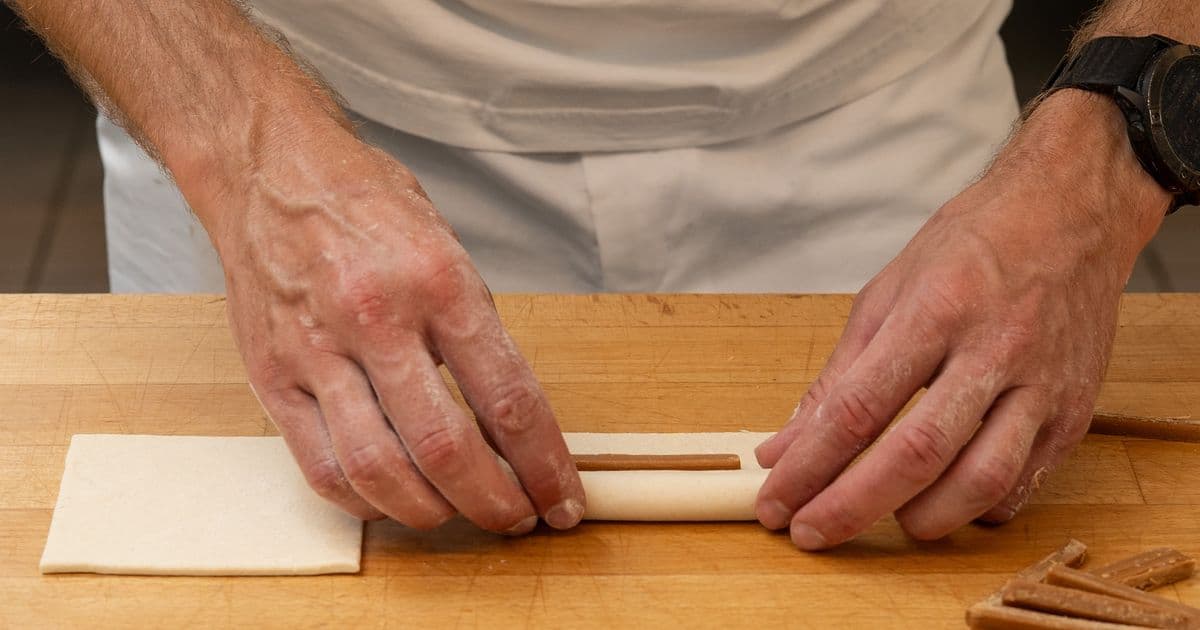
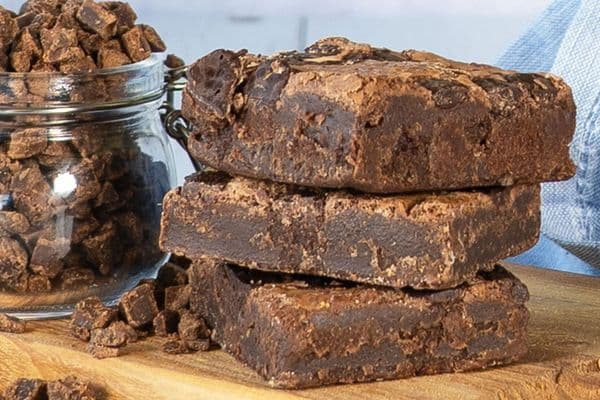
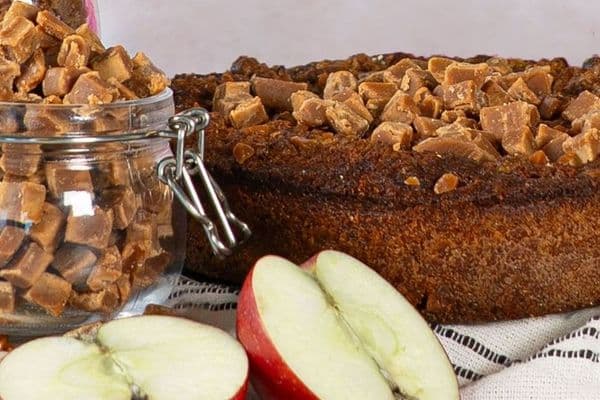
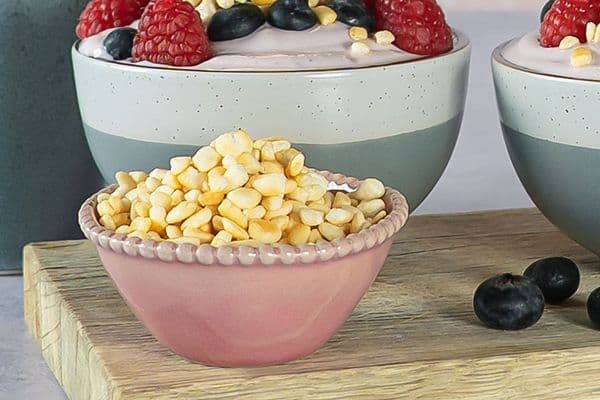
Its strength lies in its versatility. Through soft, hard and aerated caramel products, alongside fudge, buttercrocant, honeycomb, sauces and inclusions, manufacturers can create richer textures, interesting pairings, stronger visual appeal and a greater sense of indulgence while building on flavours consumers already know and trust.
Ultimately, the future of caramel innovation is not about reinventing a familiar flavour. It is about finding new ways to use trusted ingredients to create products that feel more indulgent, more distinctive and more rewarding.
At OV, we are passionate about caramel and the craft behind creating the right flavour, texture and performance for every application. From soft and hard caramels to fudge, buttercrocant, honeycomb, sauces and inclusions, we work with manufacturers to turn familiar flavours into distinctive products and memorable eating experiences.
Explore our caramel and confectionery solutions to find the right ingredients for your next product development.
Explore our caramel range
Latest Insights

Get to Know OV: Different Customers. Different Needs. One OV.
Caramel is more than a flavour: finding the right texture for your application