Sweet Bakery Flavour Trends to Watch for 2027: familiarity is the foundation for innovation
Mintel’s latest analysis suggests that sweet bakery innovation is becoming more layered and specific. Familiar flavours and formats remain important, while nuts, spices, fruits, tea and dessert-inspired combinations create new reasons to buy.
For bakery manufacturers, foodservice operators and retail teams, the opportunity is not simply to find the next hit flavour. It is to translate trends into distinctive concepts that can perform commercially and at scale.
Chocolate remains an anchor
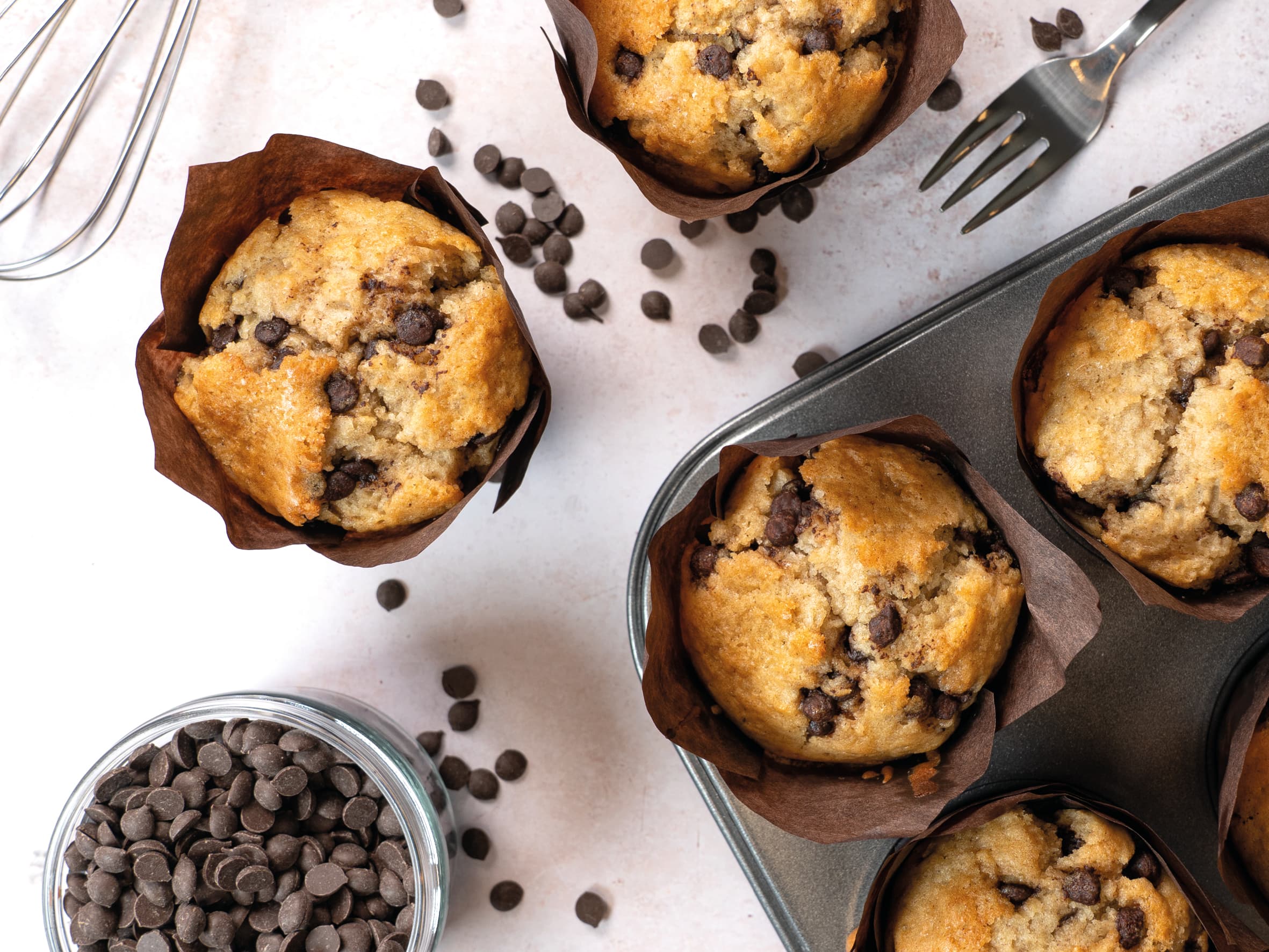
Chocolate continues to play a central role in sweet bakery, but Mintel reports that its share of product launches has stagnated year on year amid supply and price volatility.
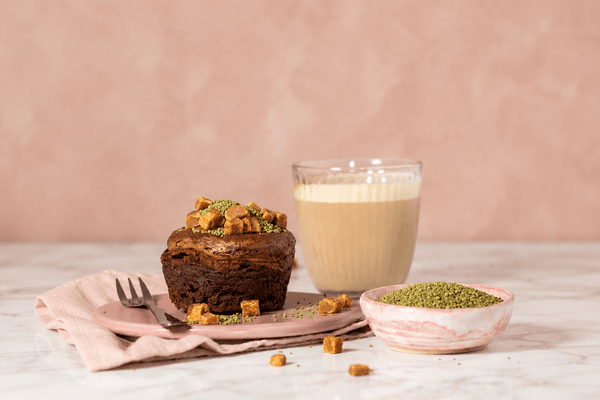
Rather than replacing chocolate, brands can refresh it with contrasting flavours and textures. Pistachio, hazelnut, citrus, berries and warming spices can add richness, freshness or depth while retaining a recognisable base.
For NPD and category teams, this offers a lower-risk route to differentiation: evolve an established flavour through a specific pairing, inclusion or dessert concept.
Patisserie is raising expectations
Specialist bakeries, patisseries and cafés are influencing expectations of packaged bakery. In Europe, Mintel sees movement from broad descriptions towards more nuanced profiles: hazelnut becomes gianduja or praline, tropical fruits add brightness, and cinnamon expands into ginger or cardamom.
Recognisable desserts such as tiramisu, cheesecake, cannoli and streusel can bridge familiarity and discovery. They also give retail and foodservice teams a clearer product story than a generic flavour description.
Texture strengthens the flavour experience
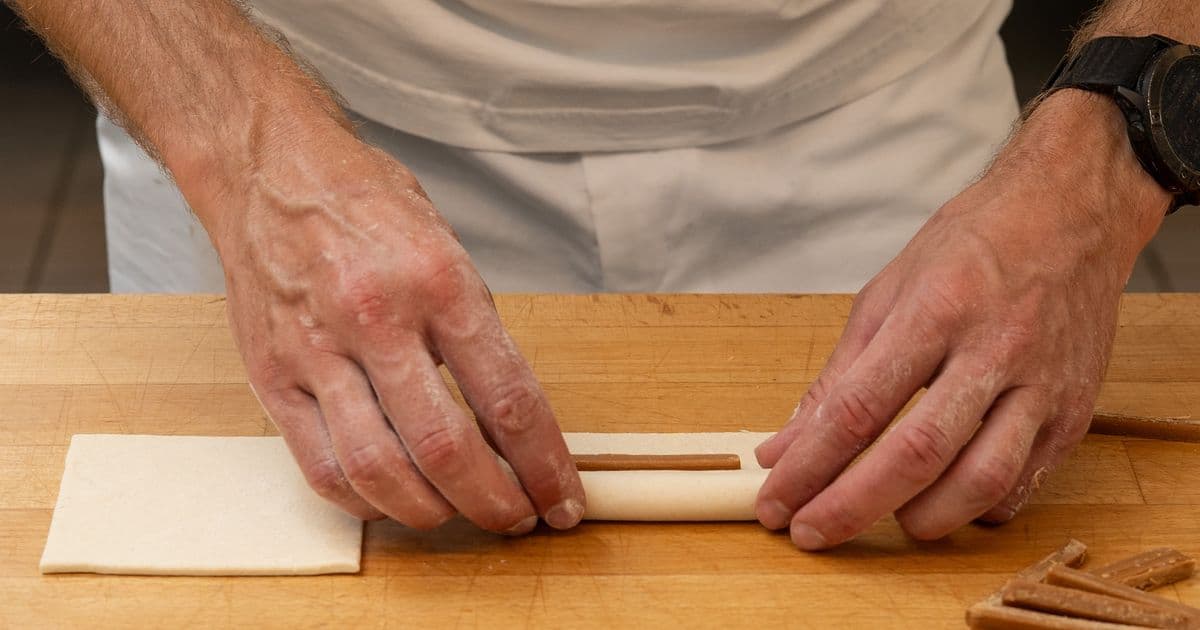
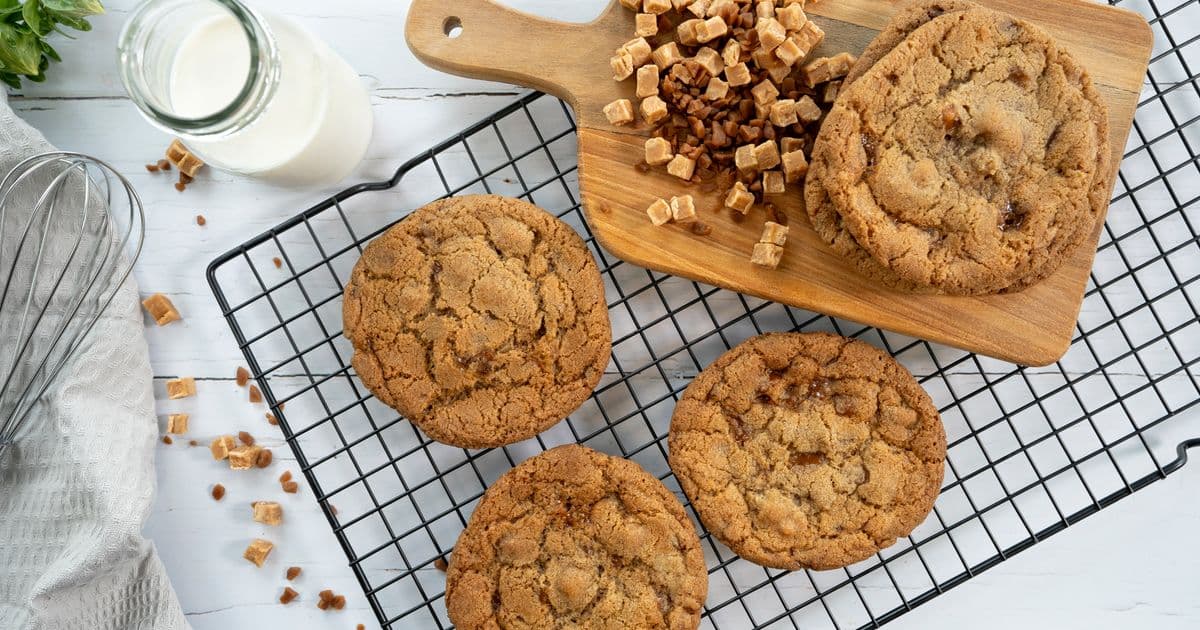
Flavour alone may not be enough to create standout bakes. Biscuit pieces, crispies, crunches, caramel inclusions, coatings and decorations can add contrast and make indulgence visible.
The interest in Dubai chocolate illustrates this principle: its appeal combines chocolate and pistachio with a distinctive crisp texture. In bakery, the same approach can turn a familiar base into a more memorable experience through contrasts such as soft and crunchy or smooth and crisp.
Texture must still work within the realities of manufacturing, handling and shelf life. The strongest concept is one that delivers sensory impact without adding unnecessary complexity.
Global flavours need a familiar entry point
Consumers are curious about international flavours, but familiarity still supports trial. 30% of US consumers who had recently bought in-store bakery products were interested in international bakery items. Among US Gen Z sweet-bakery consumers, 33% said unfamiliar flavours would encourage them to try a product.
Pairing can make these flavours more accessible. Ube can be introduced through cheesecake, matcha through a Swiss roll or tiramisu-inspired concept, and cardamom through a familiar bun. One element reassures; the other creates discovery.
Regional interpretation still matters
Flavour ideas may travel globally, but successful execution requires local relevance.
Mintel highlights different directions across major regions:
- North America: dessert-inspired and globally influenced flavours introduced through familiar formats such as brownies, cheesecakes and pastries.
- Europe: patisserie flavours, nuts, spices, tropical fruits and biscuit textures.
- Asia: tea, floral and fruit notes creating lighter, more aromatic profiles.
- Australia and New Zealand: dessert, nut, spice and dairy flavours, with scope for local ingredients.
- Latin America: citrus, berries, nuts and spices refreshing chocolate-led bakery.
- The Middle East and Africa: specific chocolate, coffee and confectionery cues supporting café-style indulgence.
These are starting points, not a universal formula. Category fit, price point, occasion and production requirements should guide how each trend is applied.
Turning trends into commercially viable concepts
The strongest sweet bakery ideas are likely to combine:
- A familiar flavour, dessert or format.
- A distinctive fruit, nut, spice, tea or patisserie note.
- A visible or textural cue that communicates the experience.
At OV, we bring together specialist sweet ingredient expertise to help customers explore flavour, texture and visual impact. Our portfolio spans caramel and chocolate confections, biscuit pieces, marshmallows, sugar confections, coatings, crunches and decorative finishes.
Whether the brief is for branded bakery, foodservice or private label, the goal is the same: turn consumer insight into a concept that is distinctive, practical and right for the target market.
Planning your next sweet bakery concept? Let’s talk about the ingredients, textures and finishes that could bring it to life.
Latest Insights
Sweet Bakery Flavour Trends to Watch for 2027: familiarity is the foundation for innovation

Get to Know OV: What Quality Means Across Our Group