From Familiar to Distinctive: The Ingredients Shaping Sweet Innovation in 2026
Familiar Flavours Are Being Reimagined
Nostalgia and familiarity continue to influence product development, but innovation is moving beyond simply recreating traditional flavours.
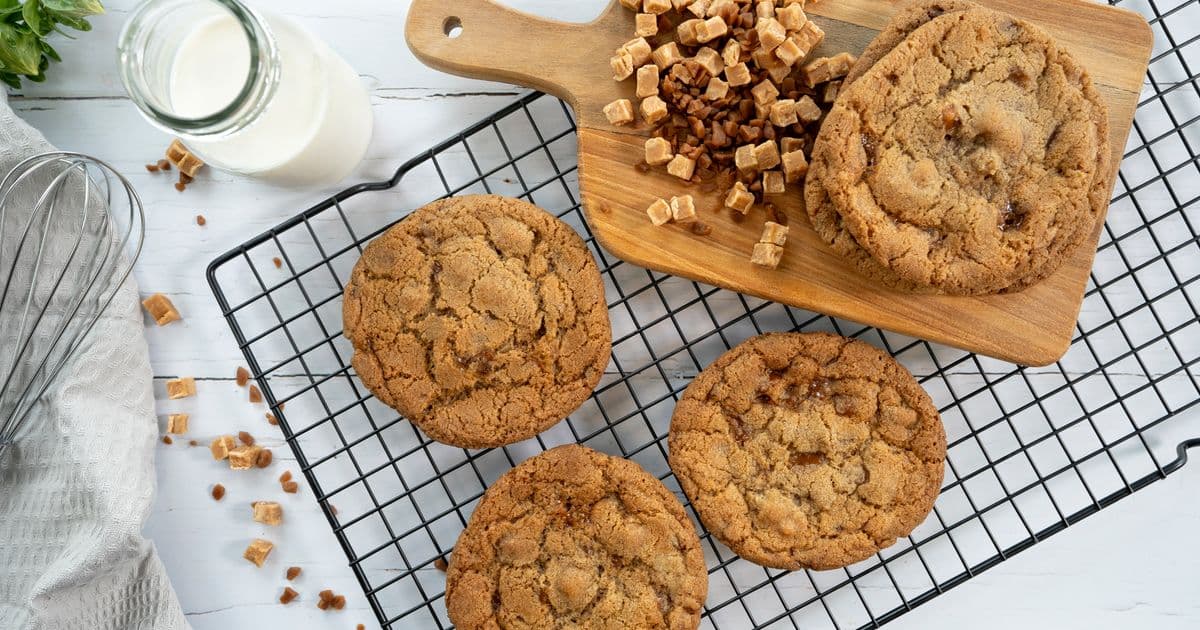
Caramel, vanilla, chocolate, biscuit and fudge remain enduring favourites because they offer comfort and broad consumer appeal. Today, these familiar profiles are being combined with global influences, contrasting flavours and more sophisticated applications.
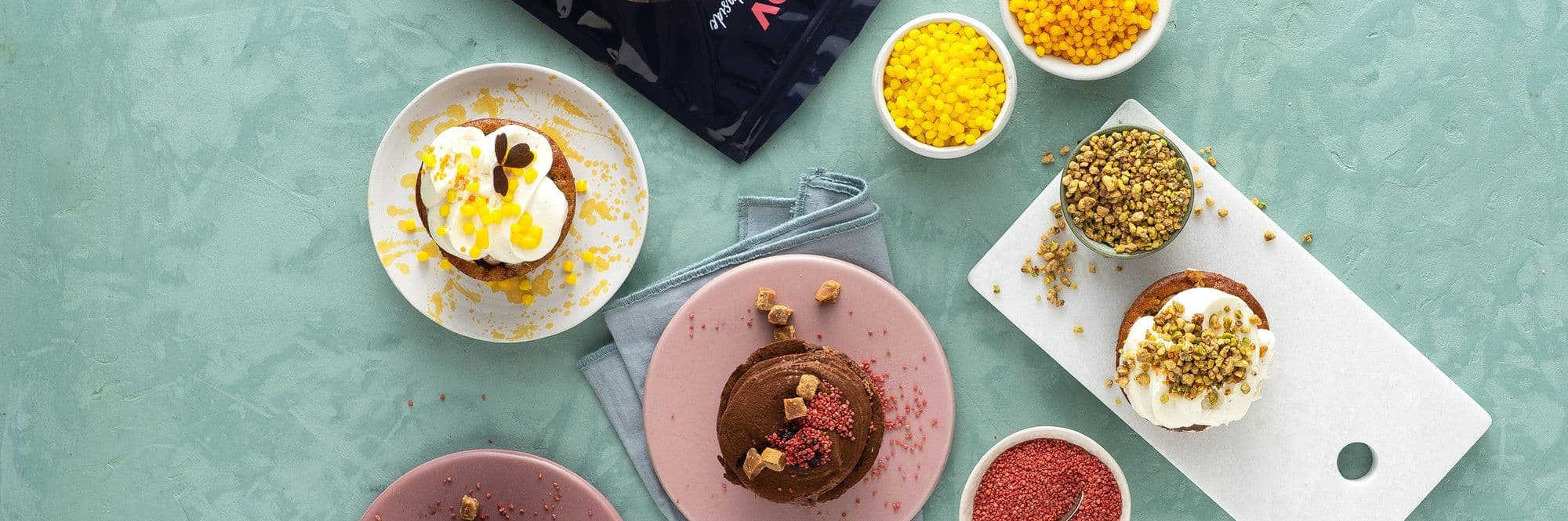
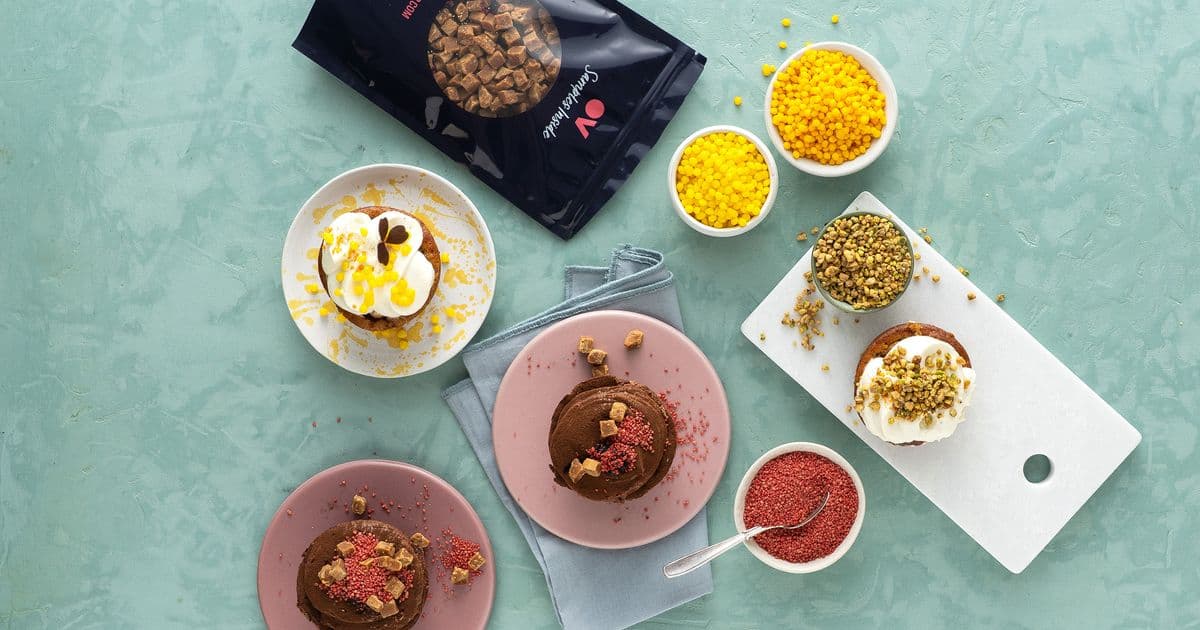
A familiar chocolate product might be elevated with pistachio croquant and rose fudge, while traditional caramel can be paired with sea salt, spice or fruit. These combinations give consumers an accessible starting point while still offering something new to discover.
This balance between familiarity and exploration is reflected in current market trends. According to Innova Market Insights, three in five consumers are open to trying traditional flavours with a modern twist, highlighting the opportunity for manufacturers to introduce innovation without losing familiarity.
Texture Is Becoming a Key Differentiator
Flavour may create the initial expectation, but texture often determines how memorable the experience becomes.
Crunchy croquant, soft fudge, aerated honeycomb, crisp pearls, chewy caramel and biscuit pieces can transform a familiar application by creating contrast and movement throughout every bite.
Texture also provides manufacturers with another route to innovation when a product category is already crowded with flavour launches. Mintel has identified texture as an increasingly important differentiator, with layered, airy, whipped, crispy and chewy experiences appearing across categories.
The strongest concepts often combine several sensations. A smooth chocolate coating can be contrasted with crunchy inclusions, while soft caramel can be paired with crisp decorations or biscuit pieces. These combinations create a more complete sensory experience without requiring manufacturers to reinvent the underlying product.
Visual Appeal Starts Before the First Bite
Consumers experience a product visually before they taste it. Colour, shape, decoration and the visibility of inclusions all influence expectations and help communicate flavour, texture and occasion.
Bright pearls, non-pareils, contrasting pieces and layered inclusions can make products more distinctive both on shelf and across digital channels. This is particularly relevant as social media continues to accelerate visually led food trends.
However, visual appeal needs to deliver more than novelty. The most effective ingredients connect appearance with the eating experience. A visible caramel piece should provide caramel flavour and chew, while a colourful crisp should contribute texture as well as decoration.
This more intentional approach to sensory innovation is becoming increasingly important. Mintel’s 2026 food and drink predictions highlight the development of products that use taste, appearance, texture and aroma together to create purposeful multisensory experiences.
One Ingredient, Multiple Possibilities
Manufacturers are also looking for ingredients that can work across more than one application.
A fudge piece developed for bakery may also create opportunities in ice cream, chocolate tablets or seasonal confectionery. Croquant can add texture to desserts, coatings and beverage toppings, while pearls and decorations can provide both visual and sensory impact across multiple categories.
Exploring these possibilities early in the development process can help manufacturers build stronger concepts and create more value from each ingredient.
At OV, we work with customers to explore how caramel confections, sugar confections, chocolate coated products, inclusions, decorations, marshmallows and biscuit ingredients can be combined and adapted for different applications.
Our approach starts with the finished product experience: how it should look, taste and feel, and which ingredients can help bring that vision to life.
Meet OV at Fi Europe 2026
As the leading global food ingredients exhibition, Fi Europe brings together suppliers, buyers, R&D experts and production specialists to explore the ingredients, technologies and trends shaping the future of food and beverage innovation.
More than 27,000 industry professionals from over 135 countries are expected to attend this year, creating an important opportunity to exchange ideas, discover new possibilities and turn emerging trends into commercially relevant concepts.
OV will be exhibiting at Fi Europe at Messe Frankfurt from 17 to 19 November 2026.
Visit us at stand 30C44 to explore our sweet ingredient capabilities, experience our products in application and discuss what we could create together.
Latest Insights

Get to Know OV: Different Customers. Different Needs. One OV.
Caramel is more than a flavour: finding the right texture for your application